

Liesl confesses the truth, but Cassius never existed, it was all a lie | General Hospital Spoilers
**Port Charles, NY –** The hallowed halls of General Hospital, a crucible of life-altering dramas and clandestine operations, have once again become the stage for a revelation that has sent seismic shockwaves through the lives of its most beloved and embattled residents. Dr. Liesl Obrecht, a woman forged in the fires of adversity and known for her formidable resolve, has finally cracked, confessing a truth so profound and so heartbreaking that it irrevocably alters the landscape of Port Charles and the perception of one of its most cherished figures. The phantom known as Cassius, the son Liesl believed she had lost, has been revealed as an elaborate fabrication, a testament to a mother’s unbearable grief and a desperate gamble against fate.
For months, the return of a man claiming to be Nathan West has been the emotional fulcrum for many in Port Charles, but none more so than for the formidable Dr. Obrecht. The initial shock and overwhelming joy that washed over Liesl upon his arrival were palpable, a rare crack in her usually impenetrable exterior. Here was the son she believed was cruelly taken from her, resurrected from the grave. Her eyes, usually sharp and calculating, softened with an almost childlike wonder, reflecting a deep-seated yearning for reconciliation and a desperate hope for a second chance. For those who have witnessed the profound, often unacknowledged, maternal love that Liesl harbors, this reunion was a balm to the soul, a validation of years of pain and longing.
As a parent, the unimaginable agony of believing one has lost a child is a wound that never truly heals. To then experience the seemingly miraculous return of that child is a gift beyond measure, a moment that transcends earthly comprehension. Liesl, a woman who has navigated espionage, survived imprisonment, and faced down her own mortality countless times, was reduced to a mother yearning for her son. The shared history, the unspoken understanding, the sheer relief of seeing him alive and well – it was a tableau that tugged at the heartstrings of even the most jaded observers. Her desire to embrace him, to bridge the chasm of lost time, and to mend the fractured pieces of their fractured family was an instinct so pure, so undeniably human, that it resonated deeply.
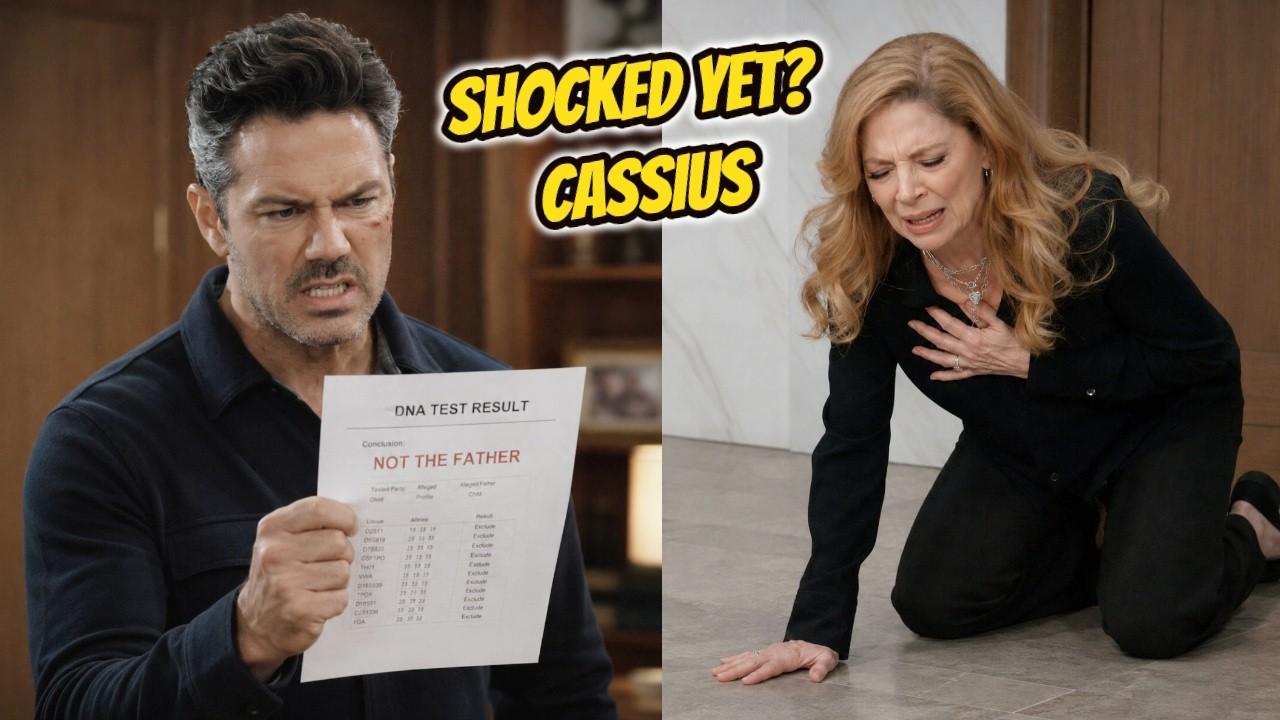
However, beneath the veneer of tearful reunions and whispered endearments, a dark and intricate web of deception had been meticulously woven. The man presenting himself as Nathan West, and subsequently identified as Cassius, was not the son Liesl believed him to be. This staggering revelation, delivered with a raw vulnerability that has become increasingly characteristic of Liesl’s recent turmoil, exposes the depth of her despair and the extraordinary lengths to which she was willing to go to preserve a semblance of hope.
The story that Liesl has now confessed paints a picture of a mother pushed to the absolute brink. The trauma of losing her son, coupled with the relentless pressures and dangers that have perpetually shadowed her life, culminated in a profound psychological crisis. In her darkest moments, the pain became so unbearable that the only way to cope was to create an illusion, to construct a narrative where her beloved Cassius still existed. This wasn’t a malicious act, but a desperate act of self-preservation, a coping mechanism born from unimaginable grief.
The implications of this confession are far-reaching. Firstly, it unravels the entire narrative surrounding “Cassius” and his presence in Port Charles. Every interaction, every shared glance, every supposed revelation about his past has now been cast in a new, deceptive light. The audience, along with the characters themselves, must now re-evaluate everything they thought they knew. The man who has been eliciting sympathy and stirring complex emotions among the residents is, in essence, an imposter, a pawn in Liesl’s elaborate game of grief.

Furthermore, this confession shines a harsh spotlight on Liesl’s character. While her maternal instincts are undeniable, her capacity for deception, a trait honed through years of clandestine activities, has once again proven to be a formidable force. The question now becomes: how far did this deception go? Was the man claiming to be Cassius aware of the charade? Or was he an unwitting participant, manipulated by a grieving mother desperate to hold onto a phantom? The intricate details of this deception are yet to be fully unearthed, promising further dramatic revelations.
The impact on other characters is also immense. Maxie Jones, who had harbored a deep affection for Nathan and a cautious optimism about his potential return, is likely to be devastated by this news. Her own complicated past with Nathan, and her enduring love for him, means this revelation will reopen old wounds. Peter August, whose complex and often sinister history is inextricably linked to Liesl, will undoubtedly find himself entangled in this new web of deceit. His reactions, always unpredictable, will be a critical element to watch as this story unfolds.
The confession also raises profound questions about the nature of identity and family. If Cassius never existed, what does that mean for Liesl’s past and her perception of motherhood? How will she reconcile the fabricated reality she lived in with the stark truth she has now embraced? The emotional toll on Liesl herself is likely to be immense, forcing her to confront the consequences of her actions and the devastating reality of her loss without the buffer of her manufactured solace.

The narrative potential stemming from this confession is immense. General Hospital has a long-standing tradition of weaving intricate storylines that explore the depths of human emotion and the consequences of deception. The revelation that Cassius was a lie opens doors to a plethora of new conflicts and character arcs. Will Liesl face legal repercussions for her actions? How will the other residents of Port Charles react to being deceived? And most importantly, what will become of the man who was masquerading as Nathan West, or Cassius? His true identity and his role in this elaborate deception are now paramount questions that will undoubtedly drive the storyline forward.
As the dust settles on Liesl Obrecht’s earth-shattering confession, the residents of Port Charles are left reeling. The phantom son, a beacon of hope for some and a source of suspicion for others, has dissolved into a poignant symbol of a mother’s unbearable pain. The question now is not just about what Liesl has done, but about how the truth will reshape the lives it has touched. General Hospital has once again proven that its ability to surprise and engage its audience is unparalleled, leaving viewers on the edge of their seats, eager to witness the unfolding drama in the wake of this monumental deception. The saga of Cassius, a lie born of love and despair, has only just begun to unravel its true impact.