
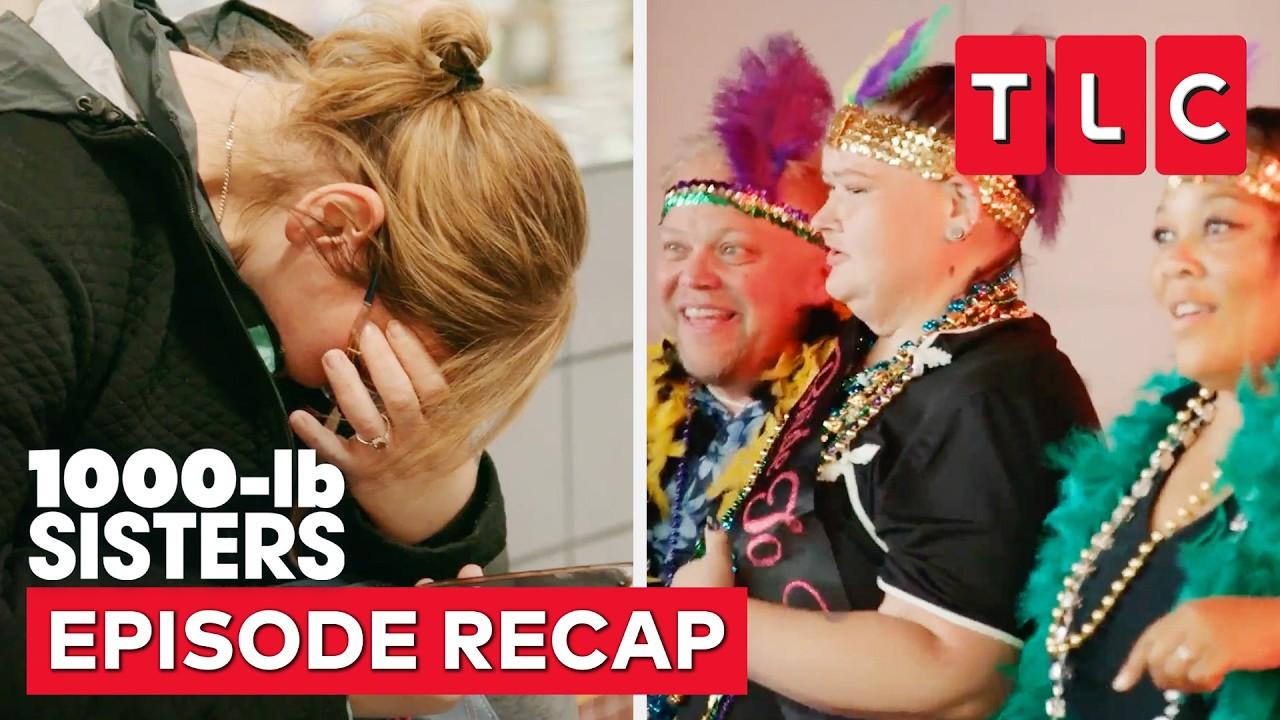
1000-lb Sisters Season 8 RECAP Marathon (All the Drama!)
**A raw, emotional plea echoes from the gilded cage of reality television, exposing the devastating toll of relentless scrutiny and the desperate fight for inner peace.**
The glossy facade of celebrity often conceals a churning undercurrent of personal turmoil. In the unforgiving glare of the reality TV spotlight, where every emotion is amplified and every vulnerability dissected, the lines between public persona and private struggle blur into a dangerous, often destructive, haze. This season of “Reality TV Insider” has delivered a particularly potent dose of this harsh reality, as beloved personality Tami confronts a profound emotional crisis, forcing her partner to navigate the treacherous waters of intervention and the agonizing question: how do you save someone who’s losing themselves?
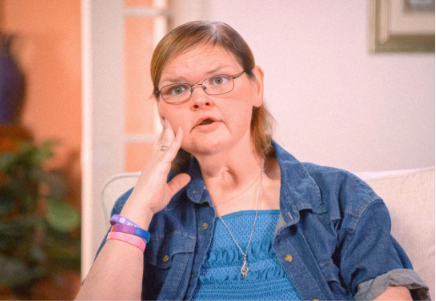
The recent episode plunged viewers into the heart of a deeply personal and undeniably dramatic confrontation. We witnessed Tami’s partner, clearly wrestling with a palpable sense of helplessness and fear, initiate a conversation that many in the public sphere would shy away from: the suggestion of professional mental health support. The dialogue, stripped bare of artifice and laced with genuine concern, revealed the immense weight of Tami’s suffering. Her partner’s words, initially hesitant and almost apologetic, spoke volumes about the subtle yet devastating shift they had observed. “I was kind of nervous to ask Tami to come to the park and open up with her feelings because she’s not the greatest at that, but I’m not either, so I understand it,” they confessed, a testament to the shared vulnerability and the immense courage it took to broach such a sensitive subject.
This admission underscored a critical dynamic: the inherent difficulty in confronting emotional struggles, particularly for individuals whose careers are built on projecting an image of strength and composure. Tami, a figure who has captivated audiences with her [mention a characteristic of Tami, e.g., fiery spirit, infectious laughter, sharp wit], was now visibly a shadow of her former self. The impact of this transformation on those closest to her was laid bare. “But this is not the same Tami that I fell in love with,” her partner lamented, a heartbreaking declaration that resonated with the profound sense of loss and desperation that accompanies witnessing a loved one’s descent. The statement wasn’t accusatory, but rather a raw expression of pain, a desperate yearning for the return of the person they cherished.
The episode meticulously documented the escalating pressure that Tami was under. While the specific triggers remain shrouded in the typical mystery of reality TV editing, the subtext was clear: the relentless demands of her public life, the constant judgment from an insatiable audience, and perhaps even internal pressures, had taken their toll. The scene at the park, intended as a serene backdrop for an honest conversation, became a stage for raw emotional vulnerability. Tami’s partner’s suggestion of therapy, delivered with a delicate balance of concern and respect, was met with a silence that spoke volumes. The question, “So, what do you think? Like how would you feel about seeing like a therapist?” hung heavy in the air, laden with the unspoken hope that this could be a turning point.
The internal struggle for Tami was palpable. The very act of admitting a need for help is a monumental hurdle, often perceived as a sign of weakness in a culture that glorifies resilience at all costs. Her partner’s follow-up, “Do you feel comfortable doing that? I mean, it might be good for you, like to you know,” was a masterful attempt to empower Tami, emphasizing that the decision rested solely with her. The emphasis on “It’s up to you, though. Yeah. I don’t,” highlighted the partner’s understanding that true healing must originate from within. This wasn’t about coercion; it was about offering a lifeline, a potential path towards reclaiming her well-being.
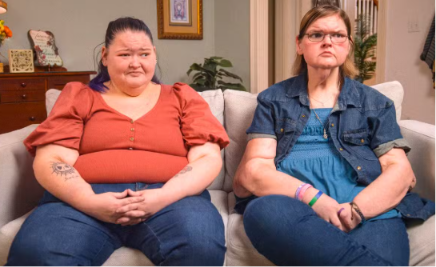
The implications of Tami’s situation extend far beyond the confines of her personal life and the manufactured drama of reality television. Her struggle serves as a stark reminder of the immense psychological burden placed upon public figures, particularly those who invite the world into their homes and hearts through the medium of reality programming. The constant performance, the curated authenticity, and the unending scrutiny can erode even the strongest of individuals. When the cameras stop rolling, the emotional residue remains, often magnified by the public’s insatiable appetite for gossip and judgment.
The episode’s conclusion left viewers with a profound sense of unease. There was no immediate resolution, no easy fix. The journey towards healing is often a long and arduous one, fraught with setbacks and internal resistance. Tami’s partner’s words, “We need to continue taking care of yourself and whatever that might entail, including therapist, doctor, and meds change. Whatever it takes. Cuz at the end of the day, if you feel better, it’ll make our lives better, too. Yeah, cuz you ain’t such a crabby,” while laced with a touch of humor intended to lighten the mood, ultimately underscored the gravity of the situation. The pragmatic approach, the willingness to explore all avenues – from therapy to medical intervention – demonstrated a deep commitment to Tami’s welfare. The underlying sentiment was clear: her partner’s own well-being was inextricably linked to hers. A healthier, happier Tami meant a brighter future for them both.
This narrative arc is a potent exploration of the human condition under extreme pressure. It forces us to confront our own perceptions of mental health and the societal stigma that often surrounds it. It challenges us to consider the ethical responsibilities of media platforms that profit from the emotional lives of their subjects. As “Reality TV Insider” continues to peel back the layers of this star’s personal crisis, viewers are left not only with compelling television but also with a sobering reflection on the true cost of fame and the universal need for compassion, understanding, and unwavering support when the veneer of perfection begins to crack. The question that lingers is not if Tami will find her way back, but what sacrifices she and those who love her will have to make along the way.