
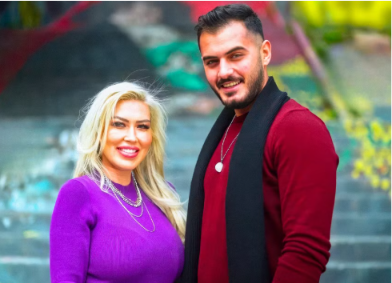
’90 Day Fiancé’: Ziad Doesn’t Want Emma To Meet His Family
The sands of Morocco, typically whispering tales of ancient romance and enduring connection, are currently swirling with the tempestuous winds of doubt and unspoken truths for one of the most talked-about couples on the international dating scene. As the cameras roll on the latest season of “90 Day Fiance,” the burgeoning relationship between Zed, a seemingly enigmatic Moroccan native, and his American partner, whose identity remains shrouded in the suspense of her arrival, has hit a critical juncture. What began as a journey of love across continents has devolved into a tense exploration of trust, commitment, and the crushing weight of family expectations.
From the moment Zed’s partner touched down on Moroccan soil, a palpable unease settled over their reunion. A significant revelation, delivered with a quiet sincerity that belied its profound impact, cast a long shadow over their initial days together. Zed admitted that he had not informed his family of his partner’s imminent arrival. This disclosure, a stark omission in the grand narrative of building a shared future, immediately ignited a firestorm of disappointment and confusion in his partner’s heart. “I was upset,” she candidly shared, her voice tinged with a vulnerability that resonated deeply with viewers. The very foundation of her journey, built on the promise of integration and acceptance, felt precarious.
The absence of his family’s knowledge was not merely a logistical oversight; it represented a fundamental disconnect in Zed’s approach to their relationship. For his partner, the immersion into Zed’s life was not just about sharing his living space, but about embracing his world, his culture, and crucially, the people who shaped him. The opportunity to meet his family was positioned not as a mere social formality, but as a vital stepping stone towards true understanding. “I want to know more about him and understand him a little bit more,” she expressed with a yearning that spoke volumes about her deep-seated desire for genuine connection. In her eyes, their family was the key to unlocking the deeper layers of Zed’s personality, his values, and the cultural nuances that defined him.
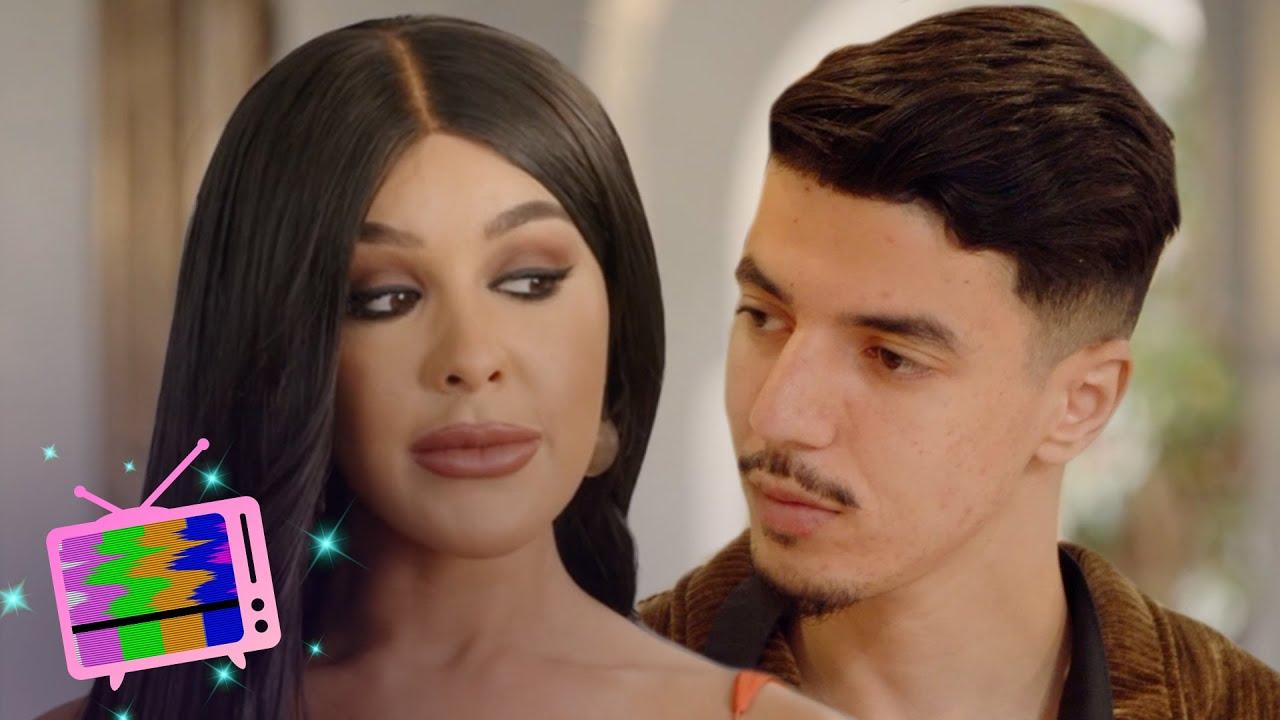
Driven by this profound need for clarity and connection, she broached the sensitive subject directly with Zed. “So, do you think I can meet your family?” The question, posed with an earnest hope, was met with a response that immediately amplified her anxieties. Zed’s hesitation was palpable, his reply laden with a frustrating ambiguity: “Uh I don’t know which time they will be free or they will be there.” He offered vague excuses, citing his father’s constant travels as a reason for potential unavailability, a justification that felt increasingly like a deflection rather than a genuine logistical challenge.
The exchange escalated, the unspoken fears of his partner finding a voice. “So I’m not going to meet anyone in your family while I’m here?” she pressed, her voice tightening with a dawning realization. Zed’s hesitant affirmation, “Maybe. Yeah, that’s what I think,” delivered a blow that left her reeling. The dreams of a warm welcome, of shared laughter and understanding, seemed to evaporate into the Moroccan air.
The emotional toll of this clandestine approach became acutely evident. Her frustration boiled over as she articulated the cumulative impact of Zed’s evasiveness. “Don’t you think that’s a little frustrating for me?” she implored, her words laced with a raw honesty that mirrored the shared anxieties of many viewers who have navigated similar relationship complexities. The feeling of being kept at arm’s length, of experiencing only a partial unveiling of her partner’s life, was becoming an unbearable burden. “Like I’m not seeing your apartment,” she continued, highlighting another area of his life that remained surprisingly inaccessible, and “I’m not meeting your family.” The confluence of these withheld intimacies painted a picture of a relationship that was being built on a foundation of incomplete truths.
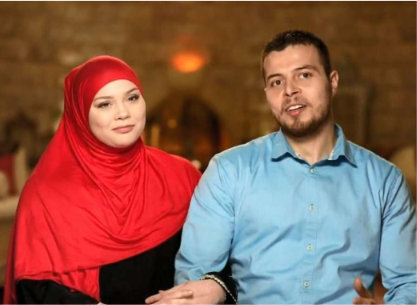
Zed’s acknowledgment, a simple yet loaded “It is,” offered little solace. It served to validate her feelings but did not provide any tangible solutions or reassurances. His explanation, further fragmented by references to “everyone of my brothers,” hinted at a complex family dynamic that he was either unwilling or unable to fully articulate. The mention of his brothers, without further elaboration, only added another layer of mystery to Zed’s secretive demeanor. Are they hesitant? Are they disapproving? Or is Zed simply overwhelmed by the prospect of navigating their opinions?
The narrative unfolding on screen is far more than a simple tale of romance. It’s a compelling exploration of cultural divides, the inherent challenges of integrating into a new family, and the profound impact of secrecy on the trajectory of a relationship. The audience is left to ponder the motivations behind Zed’s reticence. Is it fear of judgment? Is it a desire to protect his partner from potential family disapproval? Or is it a deeper-seated issue related to his commitment to this international union?
The dramatic tension is palpable. Each unanswered question, each hesitant response, fuels the growing unease. The beautiful Moroccan landscapes, once envisioned as a romantic backdrop, now serve as a stark reminder of the geographical and emotional distance that seems to be widening between Zed and his partner. Her journey to Morocco was meant to be a joyous embrace of a new chapter; instead, it has become a challenging test of her patience, her trust, and her unwavering love. The question on everyone’s mind is whether their bond is strong enough to withstand the pressures of hidden truths and the uncertainty of familial acceptance. The coming episodes promise to be a gripping continuation of this deeply personal and emotionally charged saga, as Zed and his partner navigate the treacherous waters of love, family, and the relentless pursuit of a shared future.