

’90 Day: The Single Life’ Tell All: Liz Is Engaged, Gino & Jasmine Face Off
**None**
The air crackled with an almost tangible tension, a potent cocktail of unresolved emotions, explosive confrontations, and the lingering sting of betrayal. The stage was set, not for a cozy reunion, but for a dramatic reckoning. Host Ross Mathews, a familiar face known for his infectious enthusiasm, admitted to a rare, almost palpable, excitement. “I could not be more excited to be with all of you tonight,” he declared, a hint of mischievous anticipation in his voice. “I’ve got reason to be angry.” This wasn’t just a typical post-season wrap-up; this was a crucible where relationships, once broadcast to millions, were about to be tested under the harsh glare of the spotlight.
The overarching theme of the night was clear: the honeymoon phase was unequivocally over, replaced by the brutal realities of flawed connections and shattered trust. The preamble to the Tell-All painted a grim picture, hinting at deeply ingrained issues that had festered beneath the surface of seemingly idyllic romances. The phrase, “I showed what a lying cheating hoe you are. That ruined the whole trip,” echoed through the studio, a damning accusation that promised a fiery exchange. This wasn’t about minor misunderstandings; these were seismic shifts in the foundations of relationships, capable of collapsing entire journeys.
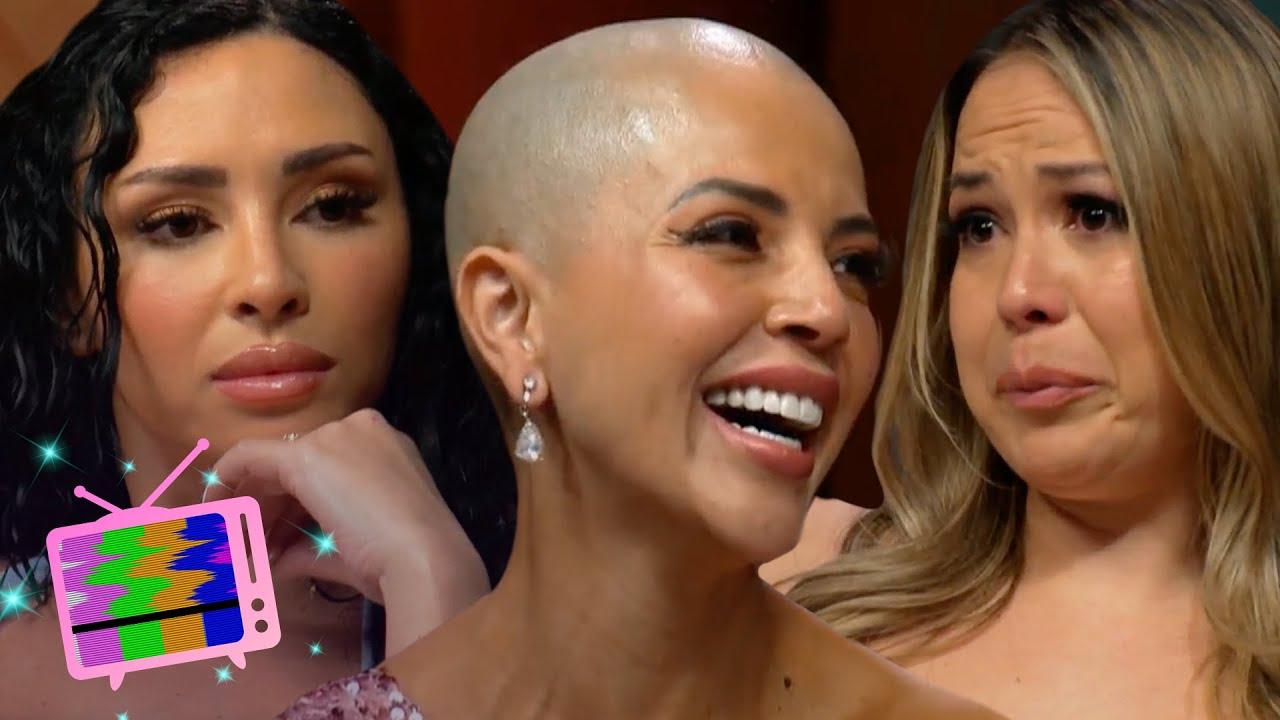
One of the most anticipated moments revolved around the enigma of Liz’s left hand. The question, “Liz, why is your left hand so heavy?” was posed with a knowing smirk, immediately drawing the audience’s attention to a physical manifestation of a deeper commitment, or perhaps, a desperate attempt at one. The dramatic pause that followed was agonizingly drawn out, building anticipation for what was to come. Then, with a triumphant, albeit slightly breathless, declaration, Liz confirmed the unspoken: “I am engaged.” The words hung in the air, a declaration of intent that carried with it a heavy weight of past baggage and future uncertainties. The engagement, presented amidst the ruins of past conflicts, raised immediate questions: had this been a hasty decision born out of desperation, or a genuine leap of faith after weathering significant storms? The ensuing silence, pregnant with unspoken doubts, suggested the former might hold more truth.
The arrival of Jasmine, a figure whose presence consistently ignited a firestorm, was met with a palpable sense of dread. Her entrance was not one of joyous reunion, but of palpable animosity. The unspoken question hung heavy: why was he “not happy to see me?” This pointed to a fundamental disconnect, a refusal to acknowledge the depth of hurt and resentment that had likely built up. Her nemesis, Gino, was also present, and the introduction of his friend Lexi only served to further complicate the already volatile dynamic. Lexi’s immediate pronouncement, “Gino has been very respectful to me,” was a thinly veiled jab at Jasmine, a direct challenge to her narrative and a tacit endorsement of Gino’s character, at least from her limited perspective.
Jasmine’s response was swift and scathing, a verbal dagger aimed at the heart of Gino’s carefully constructed facade. “That’s not the real Gino. You liar,” she spat, her voice dripping with contempt. The raw emotion on display was a stark reminder of the raw, unfiltered nature of these relationships, often played out for public consumption. The dramatic interjection, “Oh, there it goes,” accompanied by the ominous warning, “Lexi, run,” signaled an imminent explosion. It was a clear indication that Jasmine, pushed to her limit, was about to unleash her full fury, a spectacle that promised to be as terrifying as it was compelling. The audience was left to wonder what dark secrets or past transgressions Lexi was so desperately being warned to escape.

The narrative then shifted to Sophie and Pedro, a couple whose journey had been marked by the tumultuous aftermath of a shared vacation. The question, “Sophie and Pedro, have you seen each other since that vacation?” carried the weight of unspoken words and unaddressed issues. Their hesitant, “Um,” was a telling sign of the chasm that had opened between them. The raw vulnerability of Sophie’s confession, “I feel this this is the love of all my life,” was a powerful counterpoint to the obvious distance and uncertainty that had crept into their relationship. This was the romantic ideal, clashing head-on with the harsh realities of discord and doubt.
Pedro’s perceived naivete was highlighted as a point of contention. The statement, “Pedro is a little bit naive. It’s like you don’t want him to be h,” trailed off, leaving the audience to fill in the blanks. This pointed to a potential power imbalance, a dynamic where one partner felt the need to shield or guide the other, perhaps to a degree that stifled genuine growth or created resentment. The implication was that Pedro’s lack of awareness or understanding was a significant hurdle, a roadblock in their path to a stable future.
The Tell-All was far more than a simple debrief; it was a raw, unvarnished exploration of the complexities of modern relationships, dissected under the unforgiving microscope of reality television. The dramatic arcs of Liz and her uncertain engagement, Jasmine and Gino’s explosive animosity, and Sophie and Pedro’s fragile connection all converged to create a narrative tapestry woven with threads of love, betrayal, hope, and despair. The impact of these events was profound, not just on the individuals involved, but on the legions of viewers who had become invested in their journeys. The Tell-All served as a stark reminder that behind the curated perfection of social media and the romanticized narratives of television, lie real people grappling with real emotions, often in the most public and painful ways. The lingering questions, the unresolved conflicts, and the palpable emotional fallout promised a future that was anything but predictable, leaving the audience on the edge of their seats, eagerly awaiting the next chapter in this captivating saga. The stage was set for further drama, for more revelations, and for the continued unraveling of lives lived under the intense scrutiny of the world.