
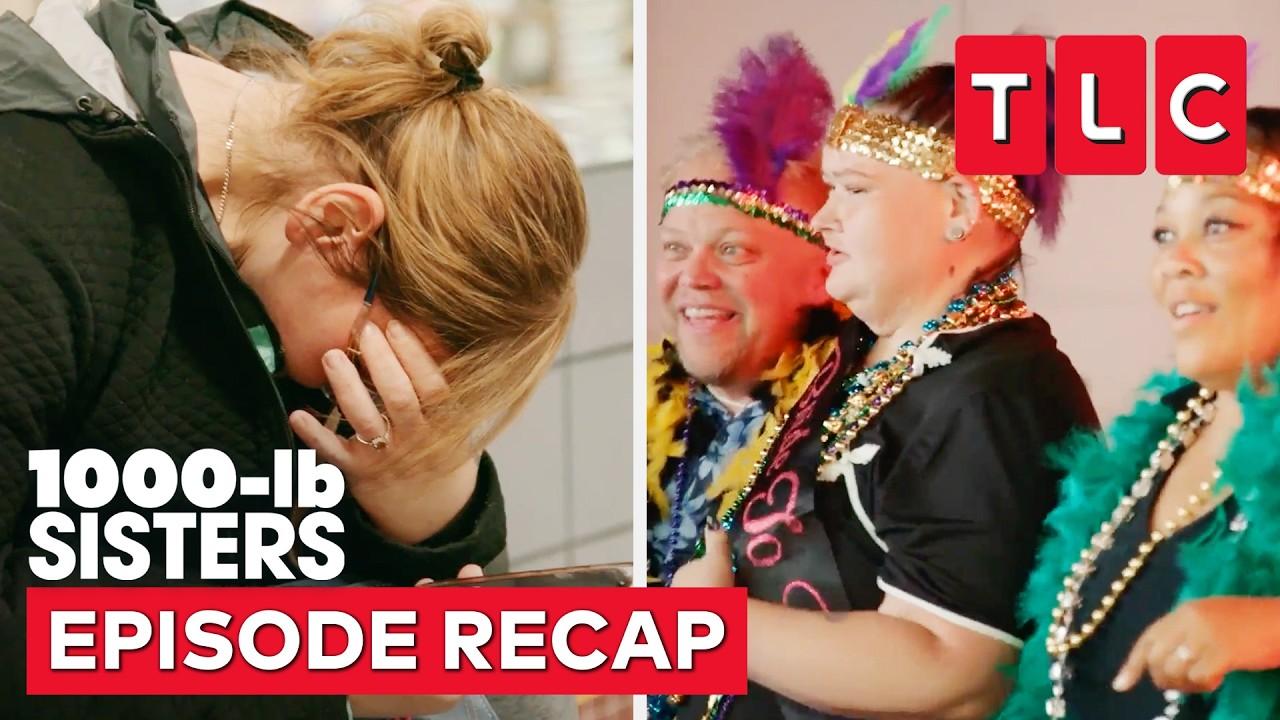
1000 LB Sisters S3 E9 Smoky Mountain Meltdown
The fabricated sunshine of reality television often conceals a brutal reality: the immense personal toll it takes on those under its relentless glare. In a recent, emotionally charged scene that has sent ripples through the online fan base, Tami, a central figure in the ubiquitous “Reality TV Insider” franchise, reached a poignant crossroads, forcing viewers to confront the profound vulnerability that lies beneath the carefully curated drama. The exchange, stark and unvarnished, offered a rare and deeply human glimpse into the struggles of a woman grappling with a pervasive sense of unease, a feeling that has evidently eroded her once vibrant spirit.
The scene opens with a quiet, almost hesitant conversation, a stark contrast to the usual manufactured confrontations that fuel the show. Tami’s partner, whose identity remains intentionally veiled in the provided snippet, articulates a profound concern, a plea wrapped in a façade of pragmatism. “We need to continue taking care of yourself and whatever that might entail, including therapist, doctor, and meds change. Whatever it takes,” they implore, the words weighted with a desperate sincerity. This isn’t just about a temporary dip in spirits; it’s a recognition of a deeper, more persistent struggle that demands professional intervention.
The unspoken undercurrent is palpable. The partner’s observation, “Cuz at the end of the day, if you feel better, it’ll make our lives better, too. Yeah, cuz you ain’t such a crabby…” is a veiled, yet potent, acknowledgment of Tami’s significant emotional decline. The colloquial “crabby” dismisses the surface-level irritation, hinting at a far more profound and pervasive unhappiness that has begun to cast a shadow over their shared existence. This isn’t about minor annoyances; it’s about a fundamental shift in Tami’s demeanor, one that is impacting the entire dynamic of their relationship.
The camera then shifts to Tami, her expression a canvas of conflicted emotions. The act of even initiating this conversation is fraught with trepidation. “I was kind of nervous to ask Tami to come to the park and open up with her feelings because she’s not the greatest at that, but I’m not either, so I understand it,” her partner confides, revealing the inherent difficulty in confronting emotional barriers, even within a seemingly intimate relationship. This admission humanizes both individuals, highlighting that even within the fabricated intimacy of reality TV, genuine communication can be a formidable hurdle.
What follows is Tami’s raw, unedited confession, a moment of profound vulnerability that resonates with anyone who has ever battled inner demons. “But this is not the same Tami that I fell in love with,” she declares, her voice tinged with a heartbreaking self-awareness. This statement is a critical turning point. It signifies a recognition of loss – not just a loss of external happiness, but a loss of self, of the very essence of who she believes herself to be. The carefully constructed persona, the one that likely captivated audiences and propelled her to fame, is fracturing, revealing a person grappling with a profound internal crisis.
The weight of her words hangs heavy in the air: “Something has to get better. I don’t want to feel like this anymore. I just can’t.” These are not the lines of a manufactured argument; they are the desperate cries of a soul in distress. The repetition of “I can’t” underscores the overwhelming nature of her struggle, suggesting a sense of being trapped, of having reached a breaking point where the current emotional landscape is no longer sustainable.

The partner, sensing the gravity of Tami’s distress, gently steers the conversation towards a potential solution. The question, “So, what do you think? Like how would you feel about seeing like a therapist?” is posed with an almost tender caution. The hesitation in the phrasing, “Like how would you feel about seeing like a therapist,” speaks volumes about the delicate nature of the subject. Mental health is still a stigmatized topic, and within the hyper-visible world of reality television, admitting a need for professional help can feel like an admission of weakness, a crack in the armor that the public expects them to maintain.
The partner’s subsequent words, “Do you feel comfortable doing that? I mean, it might be good for you, like to you know,” are laced with reassurance. They are not dictating a solution but offering an olive branch, an avenue for healing and recovery. The gentle caveat, “It’s up to you, though,” emphasizes the importance of Tami’s agency in this process. This isn’t about being forced into a narrative; it’s about empowering her to take control of her own well-being.
The exchange concludes with a simple, yet loaded, “Yeah. I’d r….” The truncated response leaves the audience hanging, a testament to the ongoing nature of Tami’s journey. The implied “rather” or “really” suggests a flicker of hope, a nascent willingness to explore this path towards healing. However, it also highlights the lingering uncertainty, the fear, and the sheer effort involved in taking that first step towards confronting deep-seated emotional pain.
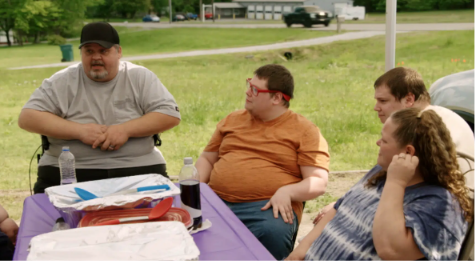
This candid moment, stripped of the usual artifice, serves as a powerful reminder of the human cost of perpetual exposure. While “Reality TV Insider” thrives on manufactured drama, this scene transcends the genre’s typical tropes. It forces viewers to look beyond the superficial narratives and consider the profound psychological impact on individuals whose lives are laid bare for public consumption. Tami’s struggle is a stark, dramatic illustration of the silent battles fought by many in the public eye, a poignant reminder that behind every dazzling smile and captivating soundbite, there can be a profound need for care, understanding, and, ultimately, healing. The journey ahead for Tami is uncertain, but this moment of raw honesty marks a significant, albeit challenging, step towards reclaiming her sense of self.