

Doctors Fear A Man’s Strange Lump Could Be Cancer | Lethal Legacy | Casualty
Holby City’s Emergency Department, a place where life and death dance a perpetual tango, found itself embroiled in a new, heart-stopping crisis this week as a seemingly innocuous lump sent shockwaves of dread through its dedicated medical staff. In an episode aptly titled “Lethal Legacy,” the seasoned doctors of Holby are forced to confront a chilling possibility: that a patient’s peculiar growth could be far more sinister than initially suspected, potentially heralding a tragic outcome.
The drama unfolds with the arrival of Arthur Jenkins, a seemingly robust man whose casual demeanor belies the growing anxiety surrounding a persistent lump on his person. His initial dismissal of the ailment, a testament to a life lived in perpetual motion and perhaps a touch of denial, quickly gives way to genuine concern when the lump, which he affectionately and darkly nicknames “Monica,” begins to assert its unwelcome dominance. The dialogue, sharp and laced with a gallows humor that only those on the front lines of medicine can truly wield, hints at the escalating stakes.
When Arthur finally seeks medical attention, his presentation is met with a blend of professional curiosity and weary pragmatism. Dr. Dylan Keogh, known for his sometimes brusque exterior but deeply empathetic core, initially expresses a frustration bordering on impatience. “Unless it’s a catastrophic limb injury or heart failure, I’m not interested today,” he states, his words a stark reminder of the relentless barrage of emergencies that inundate the ED. This early dismissal, however, is swiftly overturned as Dr. Keogh examines Arthur, his medical instinct sensing a deviation from the ordinary.
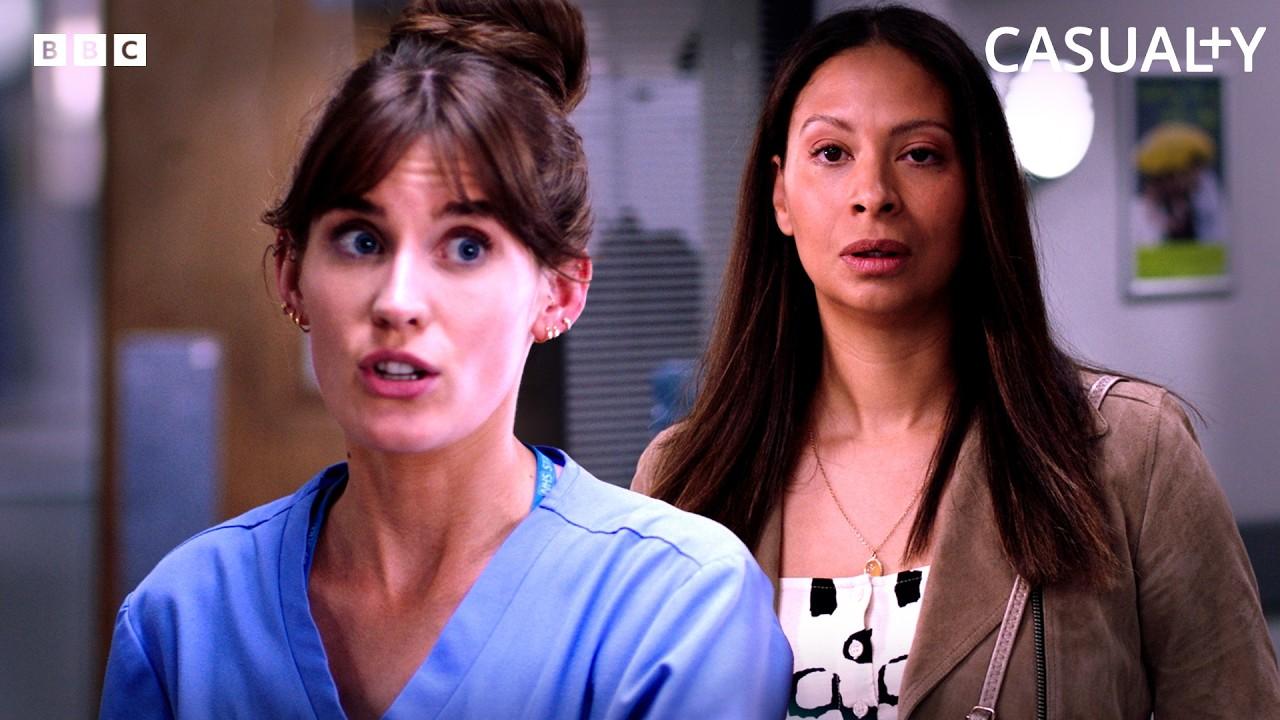
The description of “Monica” as a growth that “took on a life of its own” paints a vivid, unsettling picture. Arthur’s admission that he’s been neglecting his GP appointments, citing a lack of time, is a poignant reflection of how many individuals put off seeking medical help until symptoms become undeniable. The turning point, the moment the situation shifts from an inconvenience to a potential emergency, comes when Arthur injures the lump at work, a seemingly minor incident that exposes a more profound underlying issue. The discovery of “the toggle inside” – a cryptic yet ominous detail – immediately raises red flags for the medical team.
The tension mounts as Dr. Keogh delves deeper, his initial assessment shifting from a probable cyst to a more terrifying diagnosis. The words “I’m a little concerned it might be a sarcoma that’s broken through the skin” hang heavy in the air, a pronouncement that silences the room and chills the audience to the bone. Sarcoma, a rare and often aggressive form of cancer that arises in connective tissues, represents a grim prognosis, especially when it has breached the skin’s protective barrier. The stark contrast between Arthur’s initial lighthearted approach and the gravity of this potential diagnosis creates a potent dramatic irony.
The episode masterfully explores the psychological toll such a discovery takes, not just on the patient but also on the doctors who are tasked with delivering such devastating news. The camaraderie and unspoken understanding among the medical professionals are palpable. We see the quick glances, the furrowed brows, the subtle shifts in body language that betray their shared concern. Dr. Keogh’s own internal struggle, his desire to reassure Arthur while grappling with the alarming medical evidence, is a testament to the emotional burden of his profession.

Arthur’s response, a disbelieving “Well, I ain’t the one with a medical degree,” highlights the inherent power imbalance and the vulnerability that accompanies confronting a potentially life-threatening illness. His attempt at humor, a coping mechanism in the face of overwhelming fear, underscores the human element at the heart of “Casualty.” It’s in these moments of raw honesty and shared humanity that the series truly shines, reminding viewers that behind every medical case are real people with hopes, fears, and loved ones.
The “Lethal Legacy” of the episode title hints at a deeper narrative thread, suggesting that this lump might not be an isolated incident but perhaps connected to a family history or a hereditary predisposition. This adds another layer of intrigue, prompting speculation about the origins of Arthur’s condition and the potential for it to impact generations to come. Is this a random act of nature, or is there a darker inheritance at play? The writers expertly weave these questions into the fabric of the episode, leaving the audience on the edge of their seats.
The character dynamics within Holby ED are further explored. While Dylan grapples with the diagnostic challenge, we can anticipate the reactions of other key figures. Will the stoic Consultant Dr. Max McGinley offer a pragmatic, perhaps even blunt, assessment? Will the ever-compassionate Nurse Lofty Chiltern provide Arthur with much-needed emotional support? These established relationships and their inherent tensions add depth to the unfolding crisis. The intricate web of personalities ensures that the emotional impact of Arthur’s potential diagnosis resonates beyond the immediate medical concern.
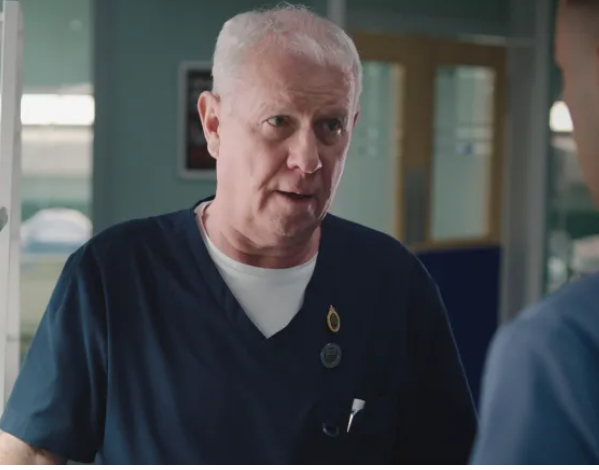
The visual storytelling in “Casualty” is crucial in conveying the emotional weight of these situations. Close-ups on worried faces, the sterile yet often chaotic environment of the ED, and the subtle yet significant details like the examination of the lump itself all contribute to the dramatic tension. The sound design, from the insistent beeping of monitors to the hushed, anxious conversations, further immerses the viewer in the high-stakes world of the hospital.
As the episode progresses, the audience is left with a profound sense of anticipation. The doctors’ fear is a palpable entity, a shadow cast over Holby City Hospital. The question of whether Arthur Jenkins will face a devastating cancer diagnosis, a “lethal legacy” he may have inherited, or if there is a less dire, albeit still concerning, explanation for “Monica,” remains unanswered. This cliffhanger, a hallmark of compelling episodic television, ensures that viewers will be eagerly awaiting the next installment to discover Arthur’s fate and the resolution of this gripping medical mystery. “Casualty” once again demonstrates its ability to blend medical accuracy with compelling human drama, leaving a lasting impact on its audience.