
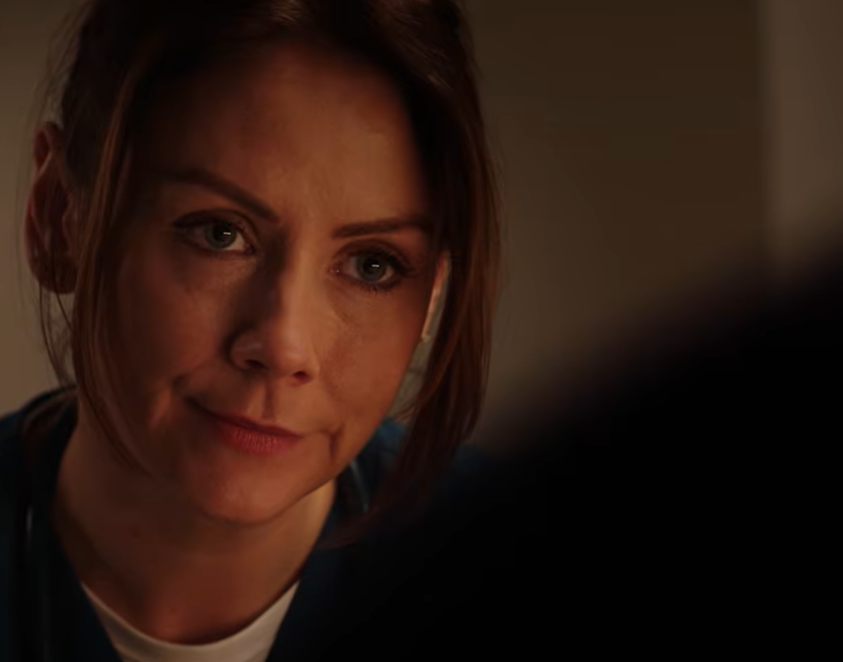
‘Forgive Yourself’ Flynn’s Emotional Message To Stevie | Lethal Legacy | Casualty
**The flickering neon of Chicago’s night hides a multitude of stories, but few resonate with the raw, cathartic power of the latest installment of the beloved medical drama, *Casualty*. In an episode that has left viewers breathless and emotionally wrung out, titled “Lethal Legacy,” the seasoned firefighter Liam Flynn delivers a profoundly moving and unexpected message to his younger colleague, Stevie Nash, a plea that echoes far beyond the confines of the ambulance bay and into the very heart of human resilience. This pivotal moment, fraught with the weight of past traumas and the uncertainty of the future, sees Flynn urging Stevie to embark on a journey of self-forgiveness, a sentiment that serves as the episode’s devastatingly effective emotional anchor.**
The crucible for this profound interaction is the dire condition of a young patient, a life hanging precariously in the balance, a grim reminder of the fragile nature of existence that *Casualty* so unflinchingly portrays. As the frantic energy of the emergency room subsides, replaced by the hushed anxieties of the Intensive Care Unit, the grim realities begin to dawn. The medical team, their faces etched with a familiar blend of exhaustion and grim determination, deliver the somber prognosis: the patient will require extended support, tethered to the life-sustaining machines of an incubator and ventilator. While the word “stable” offers a sliver of solace, the long road ahead is palpable, casting a long shadow over the hope that flickers in the hearts of those involved.
It is within this charged atmosphere, thick with unspoken grief and the desperate clinging to even the smallest victories, that the dynamic between Flynn and Stevie takes center stage. Flynn, a veteran whose stoic exterior often conceals a deep well of empathy, observes Stevie’s internal struggle. The weight of the day, the inherent pressure of their profession, and the ghosts of past mistakes are clearly taking their toll. Stevie, often characterized by her fiery spirit and unwavering dedication, appears adrift, wrestling with a burden that seems to transcend the immediate crisis.
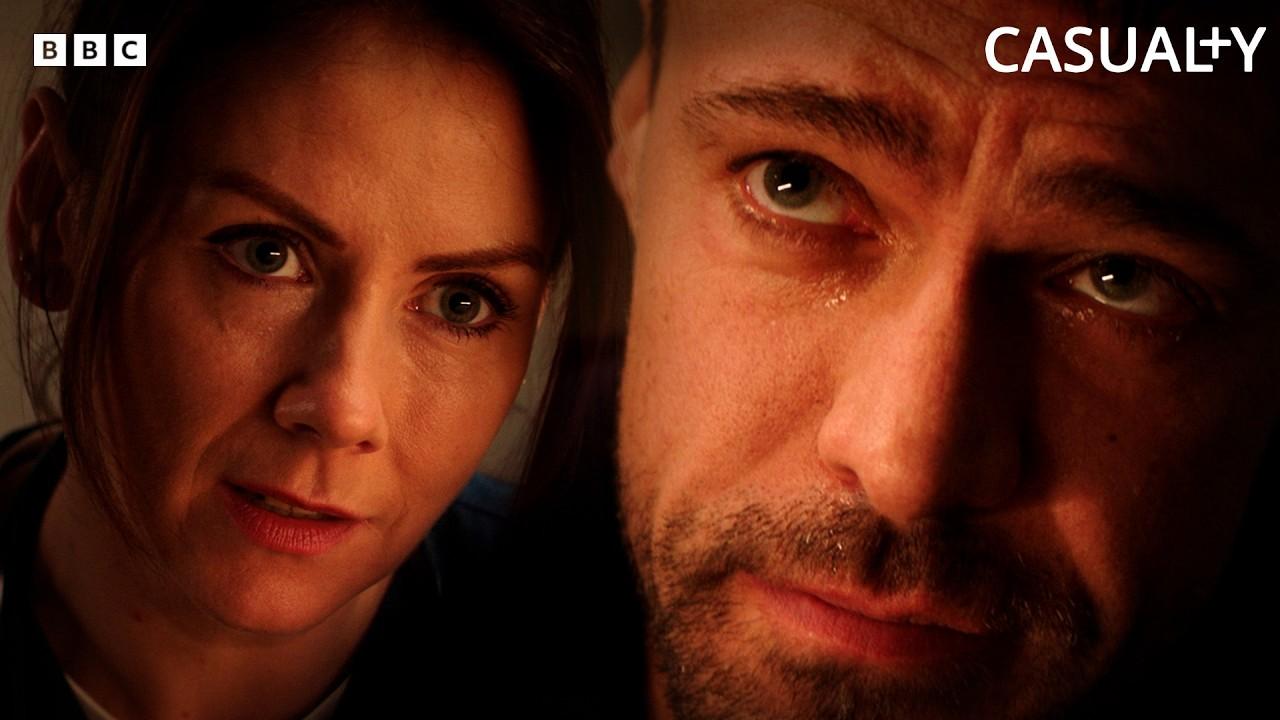
The offer of a drink, a seemingly casual gesture, becomes a catalyst for a deeper conversation. Flynn, sensing Stevie’s profound distress, attempts to draw her out. Yet, Stevie’s reluctance is immediate and palpable. Her obligation to pick up her daughters, a responsibility that grounds her in the everyday, becomes a shield against confronting the inner turmoil that threatens to consume her. The clipped exchange, “I got to go pick up the girls,” is not just a statement of fact; it’s a desperate attempt to maintain control, to retreat into the familiar rhythms of her life.
Flynn’s response, however, is not one of dismissal but of profound understanding. He gently pushes, suggesting she speak with Claire, implying a possibility of understanding, a willingness to offer support. But Stevie’s weary retort, “She won’t,” speaks volumes about the isolation she feels, the fear that her inner struggles are beyond the comprehension of even those closest to her. The admission, “I don’t want to go home either,” is a raw and vulnerable confession, revealing a deep-seated weariness that goes beyond the physical demands of the job.
It is here, amidst this shared vulnerability, that Flynn’s paternalistic yet wise guidance takes flight. He recalls their past, a time before the constant barrage of life-altering decisions and the inevitable emotional scars that come with their demanding profession. “No, cuz I taught you how to do this, remember? First year uni, don’t forget it.” This nostalgic recollection is not merely a pleasant trip down memory lane; it’s an anchor, a reminder of a time of potential, of innocence, and of shared dreams.
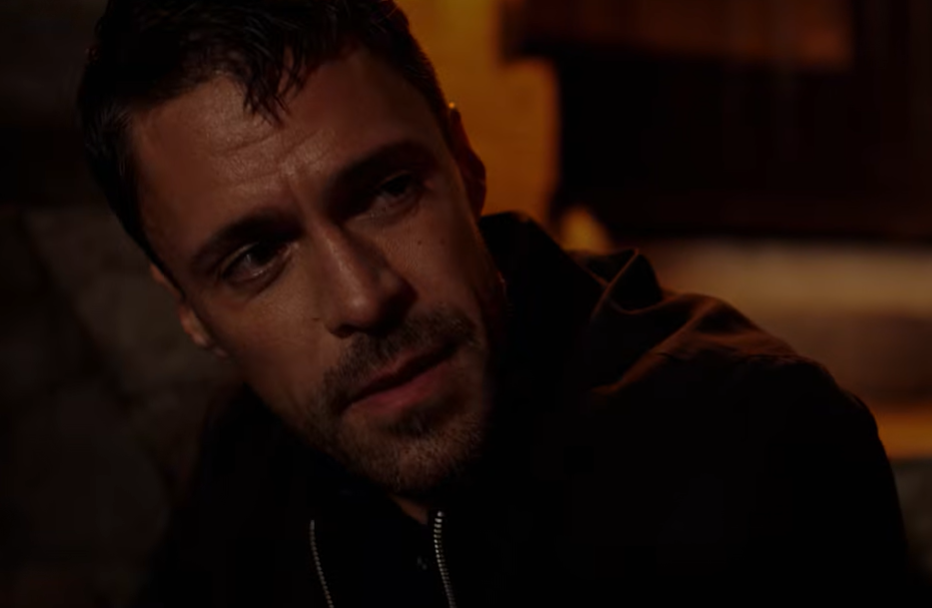
The question that follows, “Do you think we changed since then? Since uni,” hangs heavy in the air. Flynn’s observation, “Probably not as much as we like to think,” is a poignant truth. The core of who they are, the fundamental desire to be good, to make a difference, likely remains. However, the experiences, the cumulative weight of the tragedies witnessed and the lives they’ve fought to save (and sometimes failed to save), have undoubtedly shaped them.
Stevie’s hesitant confession, “Tried. To change? Be a better man. Hope to be good,” is a testament to her internal conflict. She acknowledges the struggle, the aspiration to evolve, to transcend the limitations of her past or her current perceived failures. This is where Flynn’s pivotal message lands, a beacon of hope in the gathering darkness.
“I’m still wait” – the sentence is left unfinished, a stark representation of the ongoing nature of their journeys. But it is Flynn’s preceding words, the quiet, resolute command that reverberates with an almost spiritual gravitas, that truly defines the episode’s emotional climax. “‘Forgive yourself.'”
This isn’t a platitude, a casual dismissal of past errors. In the context of their profession, where every decision can have life-or-death consequences, and where the specter of guilt can be a constant companion, “forgive yourself” is a radical act of self-compassion. Flynn, himself a man who has likely navigated his own labyrinth of regret, understands the corrosive nature of self-recrimination. He sees in Stevie a reflection of this struggle, a brilliant mind and a dedicated heart burdened by an unspoken pain.
The impact of this simple yet profound directive cannot be overstated. For Stevie, it represents a potential pathway out of the emotional quagmire she finds herself in. It is an invitation to acknowledge her humanity, to recognize that imperfections are not indictments but rather integral parts of the human experience, especially in a profession that demands so much. It is a call to release the relentless pressure she undoubtedly places upon herself, a pressure amplified by the high-stakes environment of the hospital.
The episode masterfully weaves this emotional arc with the ongoing medical drama, creating a powerful tapestry of human resilience in the face of overwhelming odds. The “Lethal Legacy” of the title is not just the potential for danger inherent in their work, but also the lingering impact of past events, both personal and professional, that continue to shape their present. Flynn’s message to Stevie is an attempt to break the cycle, to prevent the legacy of past mistakes from becoming a permanent shackle.
As the episode draws to a close, leaving the audience to ponder the implications of Flynn’s words, the power of “Lethal Legacy” lies not just in its dramatic twists and turns, but in its profound exploration of the human condition. In a world that often demands perfection, Liam Flynn’s simple yet life-altering plea to Stevie Nash to “forgive yourself” serves as a powerful reminder that healing, both physical and emotional, often begins with the courage to extend that same grace to oneself. It is a message that will undoubtedly resonate with fans long after the credits roll, a testament to the enduring power of empathy and the transformative potential of self-forgiveness.